lunes, 22 de febrero de 2016

Using the dictionary - Synonyms and Antonyms - Plurals

Synonyms are two different words that have the same meaning or nearly the same meaning: 
     beautiful - pretty

Antonyms are two different words that have opposite meanings:
     tall - short

Today you will complete the following chart. Follow the instructions.

1. copy the chart in your notebook.
2. Find the meaning of the words in  dictionary.com in this blog page.
3. Find a synonym and an antonym for each word.
4. Write the information in your chart.

WORD
MEANING
SYNONYM
ANTONYM
HIGH


LARGE


AMAZING


INTERESTING


UGLY


STRANGE


 2. PLURALS

In general, you add "s"  or "es" to make the plural of nouns. Can you think of some examples to this rule?  Click on the link below and do the activity to test your knowledge. In your notebook copy 10 examples.

 
3. SPELLING PRACTICE
 
When you are done, click on the link below and practice spelling different words:
 
Spelling:  

 
Good luck!
 

lunes, 11 de enero de 2016

GRAMMAR ACTIVITY FOR TUESDAY, JANUARY 12th., 2016

We are starting block 3, but it is important that you have a clear idea of what a noun, a verb, and an adjective are.

On your block page you are going to write:

A. Your name and the date.

B. The title:  "Computer Lab Activity 1- Block 3"

C. Answer the following questions:

1. What is a noun?     Give one example.

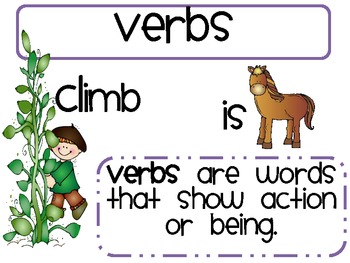
2. What is a verb?      Give one example.

3. What is an adjective?    Give one example.  

D. Now, observe the following words. Then follow the instructions.


girl
green
table
little
jump
school
laugh
store
large
write
paper
sleep
grow
parent
funny
dog
ugly
kick
sing
pretty
ocean
scary
round
go


E. In your block, make a chart with three columns:


NOUNS
VERBS
ADJECTIVES


 F. Classify the words and put them in the right column.

G. Write three sentences using the nouns, verbs, and adjectives in the chart.

Remember that you need to work together with your partner!

Good luck!


martes, 8 de diciembre de 2015

SCIENCE PROJECT - INFORMATION SEARCH

To create the habitat for your project, you will need to get information about the most important parts in it:
  • What kind of place is it? Find information about the climate and areas where you can find it. Is there water? is there rain?
  • What types of animals live there? vertebrates and invertebrates
  • What kind of plants?
  • Non living things: sand, soil, rocks, water, caves, etc.
Here are some links to start looking for the information:


video about the rainsforest:


video about the desert:


video deciduous forest


video grassland/savannah


video Pond


video Ocean


Video Arctic and Antarctic Regions

 
Video Mountains